Would you like to write posts about Zero Waste, what it means to you here in Delco, or how we can engage other county residents in a constructive discussion on waste reduction and waste management?
Contact us! We’d love to talk!
Supporting waste reduction in Delaware County, Pennsylvania
Would you like to write posts about Zero Waste, what it means to you here in Delco, or how we can engage other county residents in a constructive discussion on waste reduction and waste management?
Contact us! We’d love to talk!
Someone just picked up a really nice laser printer that was being cast off on the Delco site for Freecycle. If you have a need for something or have something that you think others can use, and you don’t want to just donate it to Goodwill or, heaven forbid, trash it, consider joining this site. There are other nearby regions that may have things, too, so follow West Philadelphia and Wilmington, and you might fight a great deal! ALL FREE!
The League of Women Voters of Central Delaware County held the Jeanette Ross Environment Program for 2026 via Zoom on March 25, 2026. The Presenter Alex Danovitch, of Swarthmore, spoke about What is Zero Waste and Why Is It a Critical Climate Strategy?
If you didn’t happen catch it, here it is, but please share this excellent information
The video link to the presentation: CLICK HERE
Alex Danovitch is principal consultant at Nothing Left to Waste and Director of Strategy and Business Development for Recycle Ann Arbor . He is on the board of the Alliance for Mission Based Recycling, is a certified TRUE zero waste advisor with the US Green Building Council and was a co-founder of Eureka Recycling, the largest nonprofit recycler in the US.
Alex has consulted with cities, colleges and universities, nonprofits, and businesses around a broad array of zero waste projects. As a passionate advocate for the environment and social justice, Alex works to develop new models of a circular economy that emphasize equity, reduction, local supply chains and human health impacts.
To get in touch with Alex Danovitch, email directly: alexd@nl2w.com and/or alex@recycleannarbor.org
League of Women Voters (LWV) Resources Related to Plastics & Environment:
Delaware County Government Resource:
Office of Sustainability – Click Here Delco Zero Waste Plan September 2025 CLICK HERE
Visit the LWV CDC Events Calendar for Upcoming Programs CLICK HERE
Fantastic news. Let’s hope that this program helps to improve the cost effectiveness of composting so that it catches on across Delco!
Once again, Gen Z is showing us how it’s done!
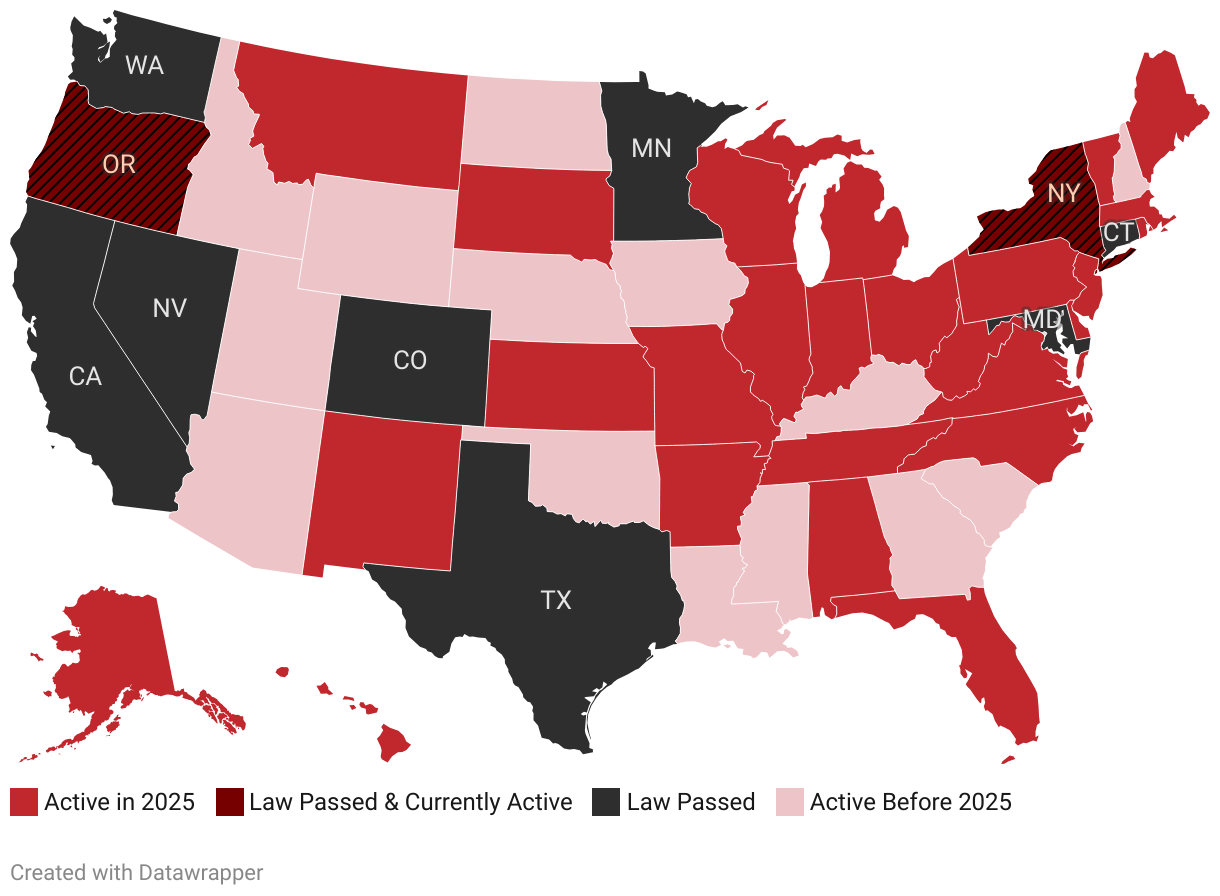
Sign on to send a letter of support for these two bills to your local State Senator and State Representative.

This is big news. It’s an tipping point in the movement to support waste reduction by allowing owners to repair their own stuff and to demand the manuals and access to the repair parts and tools to do so.
And Pennsylvania is moving similar legislation through committees now.
Your voice can help it, so check out the information, and drop a note to your legislator to support this important step for our environment.

Wondering if there’s a compost service in your town? There probably is!
Here’s PDF map of the available services.
Here are links to the four services in Delco:
Each site provides information on what materials can be composted, but in general, any plant-based material works (mostly food scraps), but they can also accept egg shells, coffee grounds, non-synthetic tea bags, bread/flour, flowers, etc., and even paper napkins or scraps that aren’t recyclable.
Let us know if you have suggestions or corrections!
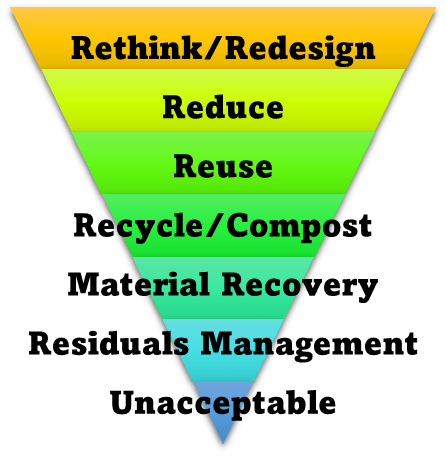
One of the many questions around the Zero Waste topic area is: “How can I help my community do more toward Zero Waste?”
This is great because it reflects the collective and collaborative nature of a real zero waste effort. Being zero waste at home, by ourselves or with our families, is good, for sure, but the impact is most effective and certainly more cost efficient when we work together in our communities to build the systems and policies that support zero waste practices at the community scale.
And there’s more good news in the fact that many communities across the US have set goals for becoming zero waste. In Ann Arbor, Michigan, they put such goals very succinctly:
“On the community level, zero waste requires local policies that protect our natural resources and support sustainable material use, collaborative community programs that facilitate products being put to their highest and best use, and strong local economies.”
A simple search for steps any community can take will yield many great results, but let’s look at a few here by starting with the basic Zero Waste hierarchy (and the image in the header) and see how each measure in the hierarchy applies at a community level.
At the start, we have to think about ways we can encourage our fellow community members and leaders to rethink every part of their household or community operations to avoid using products or processes that use too much material or energy, especially polluting energy like fossil fuel sources. Redesigning operations for efficiency of raw materials or reduced energy use has the greatest benefit on the overall goals for zero waste, which are not just about avoiding throwing things away, but reducing the impact of human activities.
In communities where housing development or redevelopment is happening, community members can work with architects and developers in rethinking and redesigning living spaces to reduce energy use, recover and reuse materials, and retain green spaces for shade and natural air filtering and conditioning. When we can avoid using materials that cannot be reused or recycled later, we are working toward a long term zero waste benefit.
Next, we need to buy and use less by reusing what we already have smartly, as well. This means repairing items that still have value and life and advocating for laws that require products to be repairable without extraordinary cost or skills. It also means having policies that require or incentivize the use of recaptured or recycled materials. A great example of this is in the home deconstruction efforts taking place in older cities and towns all over the US, and a specific example has been taking place in nearby Baltimore.
Many communities have recycling programs, but sadly, they are often poorly communicated, and residents are not taught well how to separate useful recyclables from trash. When non-recyclables enter the recycling stream, it’s called contamination and it directly reduces the value of recyclables while still putting waste into the local incinerator or landfill, the unacceptable bottom of the hierarchy.
Another way to directly encourage waste reduction is through changes in waste collection that support bi-weekly collection (once for waste and once for recyclables and compostables) with pay-as-you-throw programs that bring attention to how much is being thrown away.
All of these actions take time, and starting small, building collaboration and interest, educating about and demonstrating the benefits needs to happen incrementally. Introducing community members to the steps and the reasons for moving forward helps to build strength, resilience, and momentum toward the ultimate goal of being a zero waste community.
So with that, here are some simple steps to take to move forward in your community:
The list of ideas is endless, but start small, build connections, seek small wins, and grow through education and engagement.
Becoming a Zero Waste community is possible.
Can you make this guide better? Let us know what ideas YOU have!
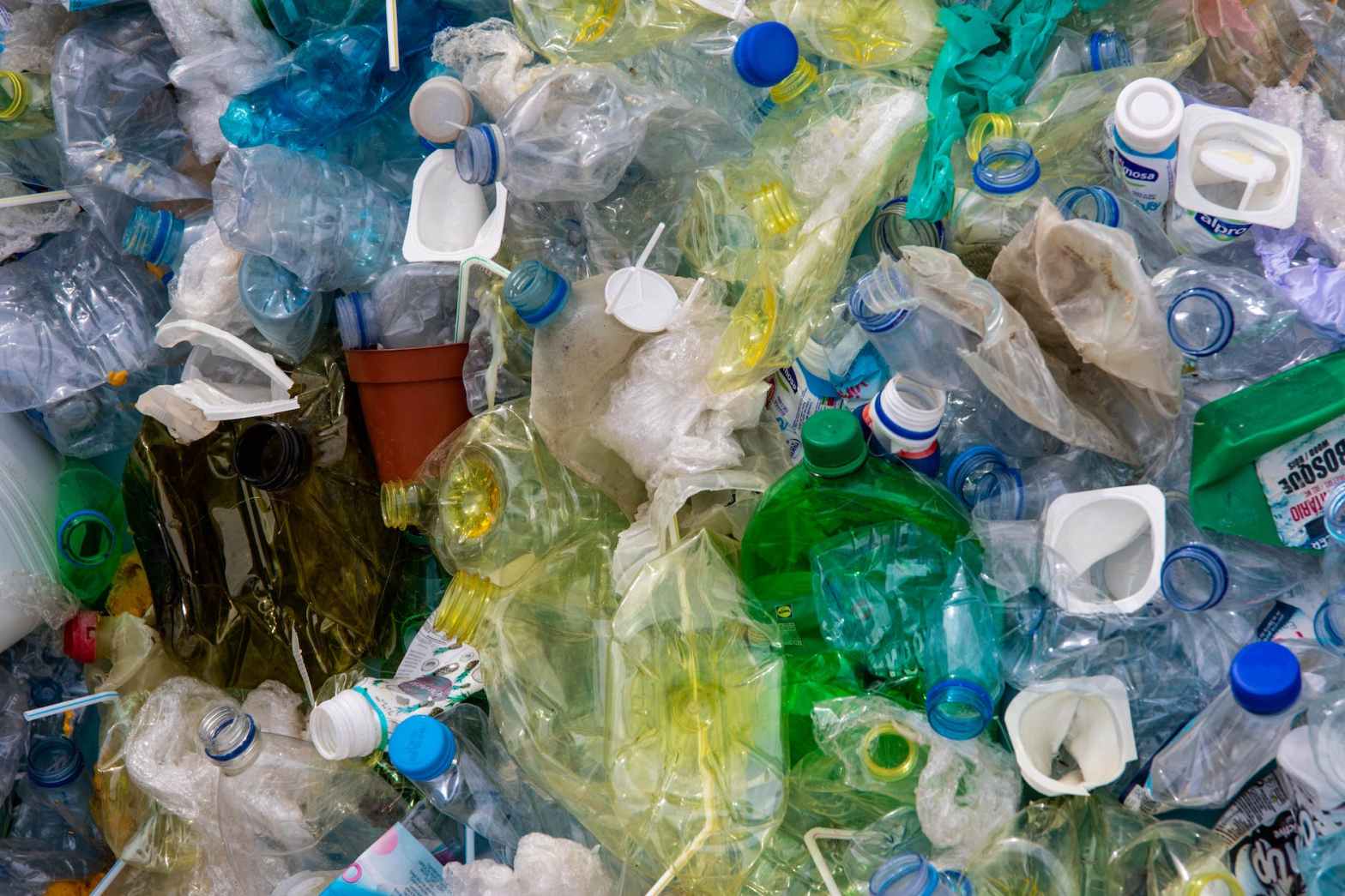
It can be difficult to find out what and how to recycle right, but here’s a quick list of guides from the major recycling haulers in Delco. What can be recycled can vary, but you do your municipality a favor if you work to avoid decontaminating your recycling with materials that your recycler can’t take or process.
| Recycling Hauler | Information * |
|---|---|
| A.J. BLOSENKI, INC. | Guide |
| H&H Disposal Service, Inc. | Guide |
| JP Mascaro | Guide |
| Opdenaker | Guide |
| Republic | Guide |
* Note: Some information is derived from municipalities that use a hauler. Not all haulers publish their lists, so we did the best we could to find a good source.
If you have additions or better guidance, please let us know.
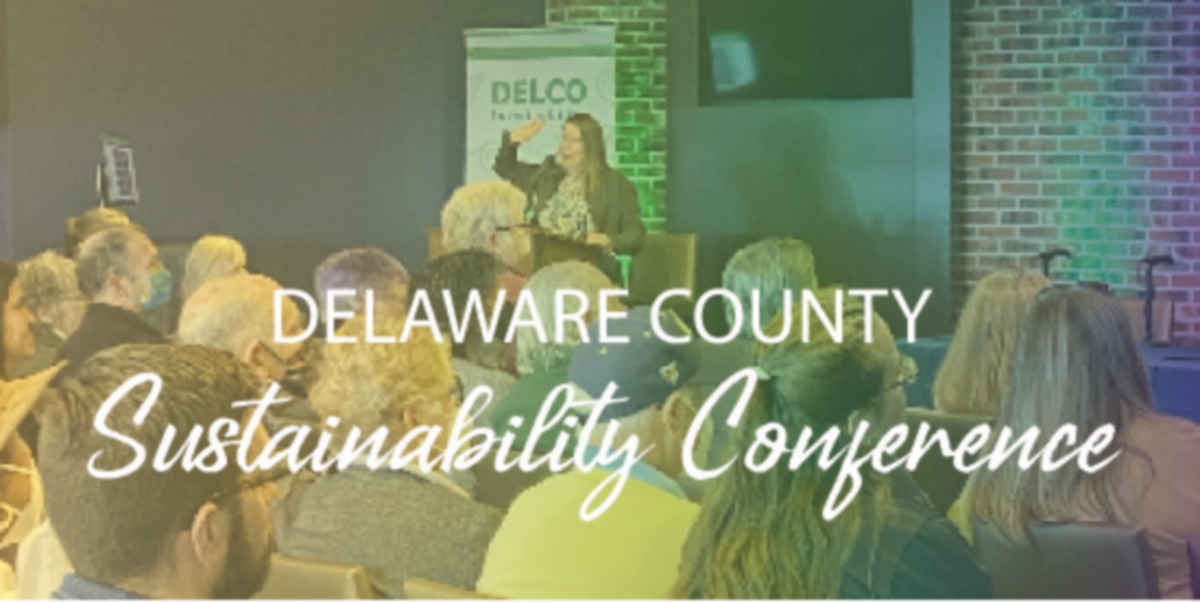
Huge congrats to Francine Locke and the whole team at Delaware County Office of Sustainability on a successful, first annual, first-ever Sustainability Conference. The entire even was recorded and here’s a list of links to all the presentations aligned to the speakers. Enjoy and be proud. Also be sure to follow @SustainDelco everywhere for all the latest news.
Ruth Abbe, National Expert on Zero Waste – “Communities on the Path to Zero Waste”
Ruth Abbe is a Zero Waste practitioner with more than 25 years of experience in recycling and composting programs, facility development, outreach and technical assistance. She works with municipalities across the U.S. to develop the social and physical infrastructure to achieve Zero Waste. Ruth will share inspiring successes, challenges and the present-day story of Delaware County’s journey towards developing its 10-year Municipal Waste Management Plan with a focus on Zero Waste.
Panelist Discussion – Collaboration and Energy
Inter-County Sustainability Collaborative – This unique group of neighboring counties will discuss their current sustainability initiatives and their joint work with DVRPC on renewable energy for the greatest value.
Topical Speaker – Education for Sustainability
Topical Speaker – Climate Resiliency
Topical Speaker – Transportation
Topical Speaker – Focus on Sustainability in the City of Chester
Presentation – Health and Wellness
Presentation – Health and Wellness
Topical Speaker – Transportation
Topical Speaker – Climate Resiliency
Topical Speaker – Transportation
PA DEP Environmental Justice Policy Public Comment Period (Remote)
Topical Speaker – Waste (Zero)
Topical Speaker – Waste (Zero)
Topical Speaker – Natural Resources
Topical Speaker – Natural Resources
Topical Speaker – Natural Resources
Closing Remarks – Elaine Paul Schaefer, Delaware County Council Vice Chair
Have a WordPress.com account? Log in now.

