Would you like to write posts about Zero Waste, what it means to you here in Delco, or how we can engage other county residents in a constructive discussion on waste reduction and waste management?
Contact us! We’d love to talk!

Supporting waste reduction in Delaware County, Pennsylvania
Would you like to write posts about Zero Waste, what it means to you here in Delco, or how we can engage other county residents in a constructive discussion on waste reduction and waste management?
Contact us! We’d love to talk!
Once again, Gen Z is showing us how it’s done!
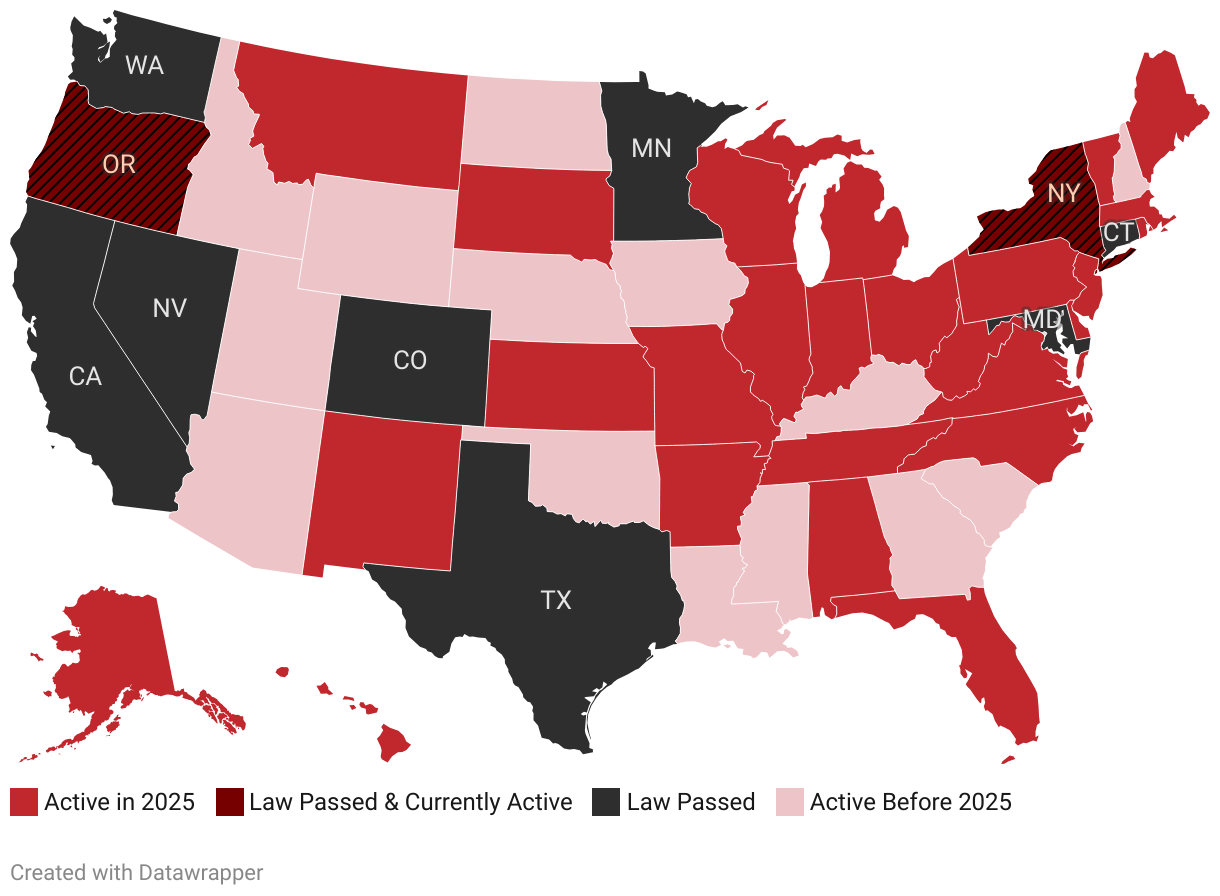
Sign on to send a letter of support for these two bills to your local State Senator and State Representative.

This is big news. It’s an tipping point in the movement to support waste reduction by allowing owners to repair their own stuff and to demand the manuals and access to the repair parts and tools to do so.
And Pennsylvania is moving similar legislation through committees now.
Your voice can help it, so check out the information, and drop a note to your legislator to support this important step for our environment.

Wondering if there’s a compost service in your town? There probably is!
Here’s PDF map of the available services.
Here are links to the four services in Delco:
Each site provides information on what materials can be composted, but in general, any plant-based material works (mostly food scraps), but they can also accept egg shells, coffee grounds, non-synthetic tea bags, bread/flour, flowers, etc., and even paper napkins or scraps that aren’t recyclable.
Let us know if you have suggestions or corrections!
One of the many questions around the Zero Waste topic area is: “How can I help my community do more toward Zero Waste?”
This is great because it reflects the collective and collaborative nature of a real zero waste effort. Being zero waste at home, by ourselves or with our families, is good, for sure, but the impact is most effective and certainly more cost efficient when we work together in our communities to build the systems and policies that support zero waste practices at the community scale.
And there’s more good news in the fact that many communities across the US have set goals for becoming zero waste. In Ann Arbor, Michigan, they put such goals very succinctly:
“On the community level, zero waste requires local policies that protect our natural resources and support sustainable material use, collaborative community programs that facilitate products being put to their highest and best use, and strong local economies.”
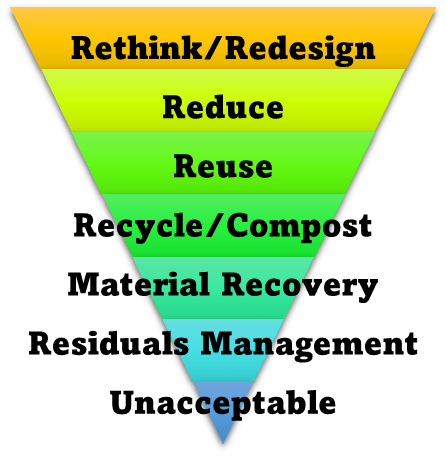
A simple search for steps any community can take will yield many great results, but let’s look at a few here by starting with the basic Zero Waste hierarchy (and the image in the header) and see how each measure in the hierarchy applies at a community level.
At the start, we have to think about ways we can encourage our fellow community members and leaders to rethink every part of their household or community operations to avoid using products or processes that use too much material or energy, especially polluting energy like fossil fuel sources. Redesigning operations for efficiency of raw materials or reduced energy use has the greatest benefit on the overall goals for zero waste, which are not just about avoiding throwing things away, but reducing the impact of human activities.
In communities where housing development or redevelopment is happening, community members can work with architects and developers in rethinking and redesigning living spaces to reduce energy use, recover and reuse materials, and retain green spaces for shade and natural air filtering and conditioning. When we can avoid using materials that cannot be reused or recycled later, we are working toward a long term zero waste benefit.
Next, we need to buy and use less by reusing what we already have smartly, as well. This means repairing items that still have value and life and advocating for laws that require products to be repairable without extraordinary cost or skills. It also means having policies that require or incentivize the use of recaptured or recycled materials. A great example of this is in the home deconstruction efforts taking place in older cities and towns all over the US, and a specific example has been taking place in nearby Baltimore.
Many communities have recycling programs, but sadly, they are often poorly communicated, and residents are not taught well how to separate useful recyclables from trash. When non-recyclables enter the recycling stream, it’s called contamination and it directly reduces the value of recyclables while still putting waste into the local incinerator or landfill, the unacceptable bottom of the hierarchy.
Another way to directly encourage waste reduction is through changes in waste collection that support bi-weekly collection (once for waste and once for recyclables and compostables) with pay-as-you-throw programs that bring attention to how much is being thrown away.
All of these actions take time, and starting small, building collaboration and interest, educating about and demonstrating the benefits needs to happen incrementally. Introducing community members to the steps and the reasons for moving forward helps to build strength, resilience, and momentum toward the ultimate goal of being a zero waste community.
So with that, here are some simple steps to take to move forward in your community:
The list of ideas is endless, but start small, build connections, seek small wins, and grow through education and engagement.
Becoming a Zero Waste community is possible.
Can you make this guide better? Let us know what ideas YOU have!
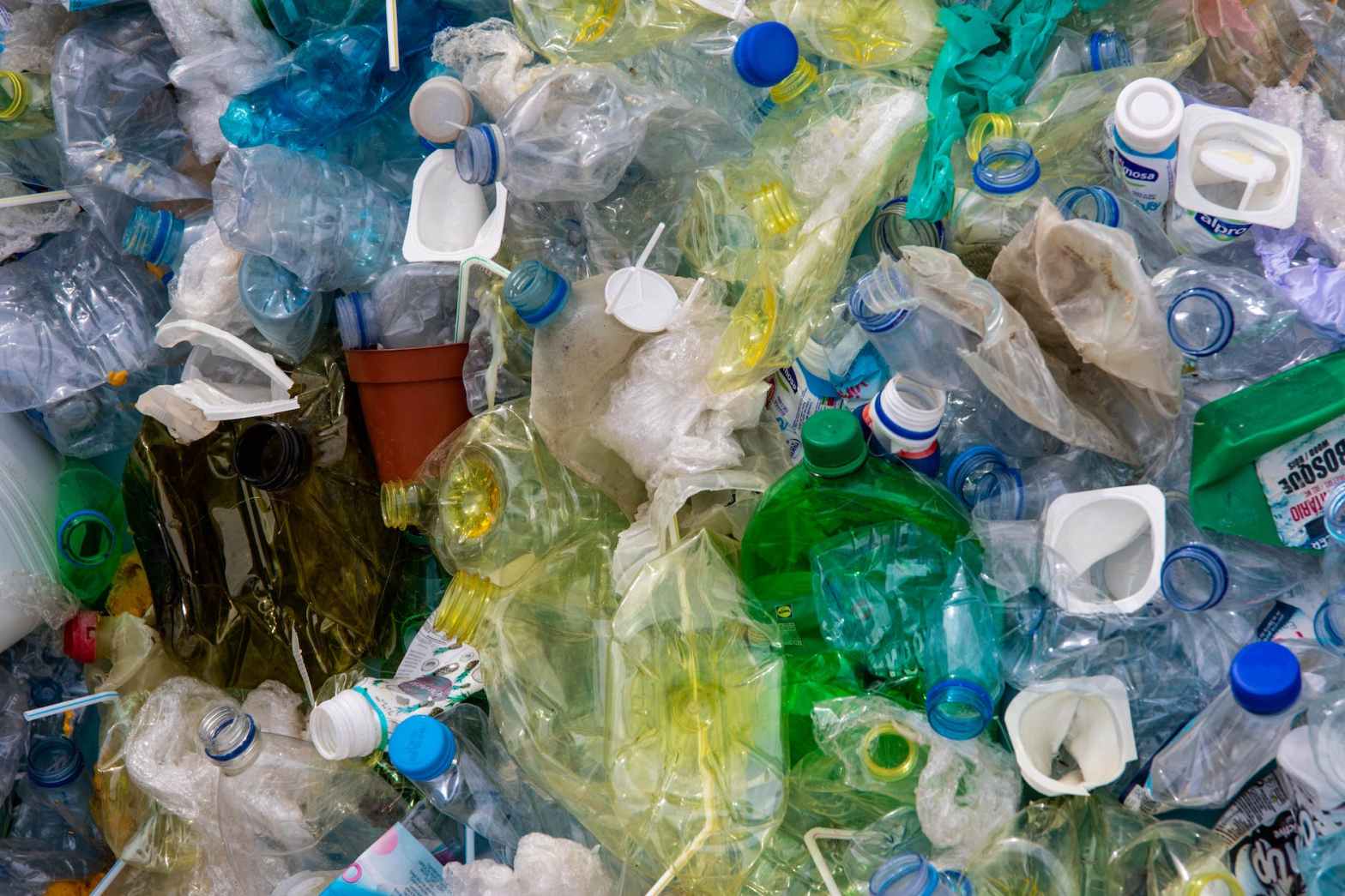
It can be difficult to find out what and how to recycle right, but here’s a quick list of guides from the major recycling haulers in Delco. What can be recycled can vary, but you do your municipality a favor if you work to avoid decontaminating your recycling with materials that your recycler can’t take or process.
| Recycling Hauler | Information * |
|---|---|
| A.J. BLOSENKI, INC. | Guide |
| H&H Disposal Service, Inc. | Guide |
| JP Mascaro | Guide |
| Opdenaker | Guide |
| Republic | Guide |
* Note: Some information is derived from municipalities that use a hauler. Not all haulers publish their lists, so we did the best we could to find a good source.
If you have additions or better guidance, please let us know.
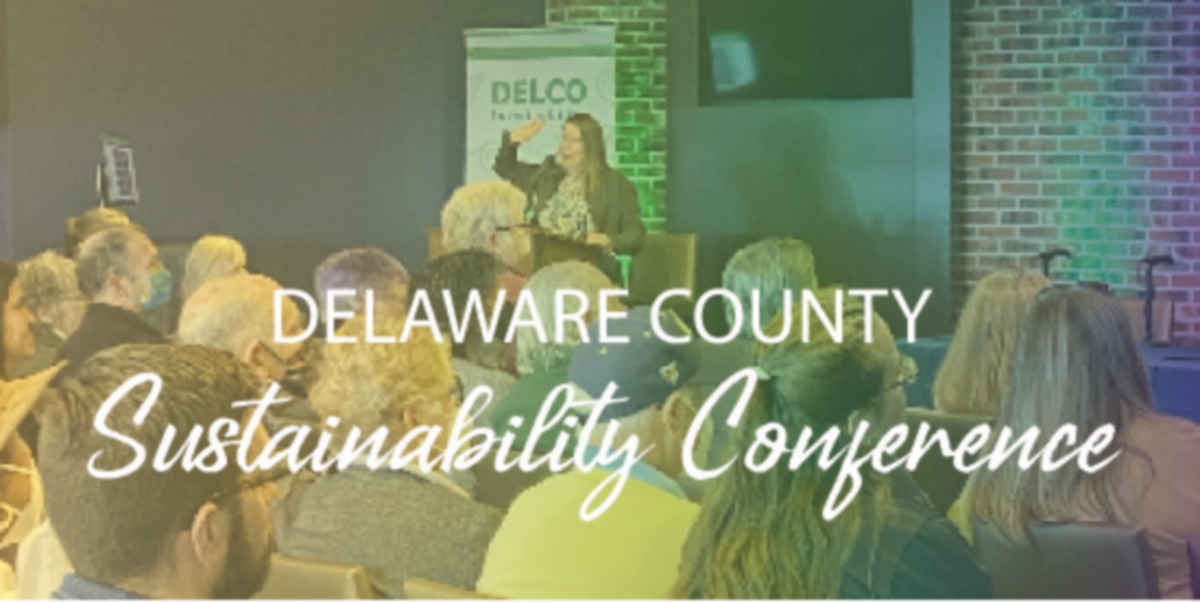
Huge congrats to Francine Locke and the whole team at Delaware County Office of Sustainability on a successful, first annual, first-ever Sustainability Conference. The entire even was recorded and here’s a list of links to all the presentations aligned to the speakers. Enjoy and be proud. Also be sure to follow @SustainDelco everywhere for all the latest news.
Ruth Abbe, National Expert on Zero Waste – “Communities on the Path to Zero Waste”
Ruth Abbe is a Zero Waste practitioner with more than 25 years of experience in recycling and composting programs, facility development, outreach and technical assistance. She works with municipalities across the U.S. to develop the social and physical infrastructure to achieve Zero Waste. Ruth will share inspiring successes, challenges and the present-day story of Delaware County’s journey towards developing its 10-year Municipal Waste Management Plan with a focus on Zero Waste.
Panelist Discussion – Collaboration and Energy
Inter-County Sustainability Collaborative – This unique group of neighboring counties will discuss their current sustainability initiatives and their joint work with DVRPC on renewable energy for the greatest value.
Topical Speaker – Education for Sustainability
Topical Speaker – Climate Resiliency
Topical Speaker – Transportation
Topical Speaker – Focus on Sustainability in the City of Chester
Presentation – Health and Wellness
Presentation – Health and Wellness
Topical Speaker – Transportation
Topical Speaker – Climate Resiliency
Topical Speaker – Transportation
PA DEP Environmental Justice Policy Public Comment Period (Remote)
Topical Speaker – Waste (Zero)
Topical Speaker – Waste (Zero)
Topical Speaker – Natural Resources
Topical Speaker – Natural Resources
Topical Speaker – Natural Resources
Closing Remarks – Elaine Paul Schaefer, Delaware County Council Vice Chair

This interesting article appeared in the Times showing the PA Department of Environmental Protection [or Pollution, take your pick] embedding plastic pellets into a roadway in Ridley Creek State Park, which they can do without County approval since they own the park.
Though it does keep the plastic out of the incinerator today, plastics never go away so we should be wary of these solutions that seem to just kick the can of eliminating plastics down the road.
Not being all knowledgeable in these matters, we asked a friend about it, and got these questions:
Plastics are harmful in every stage of their production. They are incredibly convenient, but that convenience masks the lasting impact they impose on the environment.
And by the way, if they really want to save money, the biggest savings in paving is to recycle the paving as they mill the road and put some new material in the mix and put it back down. That eliminates the need to dispose of the milled material. DEP says they only get 15% back this way. It would seem to be a better opportunity than adding an expensive new technology like plastic pellets.
Everyone should be excited by the goals leading off the recently published request for proposals and qualifications from consultants to the next revision of the municipal waste management plan for Delaware County.

Here are some of the specifics about the program to revise the plan and what the plan should contain:

There is no precise timeline, and we don’t know who the experts will be to conduct this plan investigation. There is considerable detail provided in the published document that seeks evaluation of a number of different elements to our future plan, but clearly the county has made a statement about where they see waste management going in the future.
It certainly appears that a Zero Waste philosophy is building strength in Delaware County. Let’s all get ready to be involved!
Do you have a perspective that should be part of the next municipal waste management plan? If so, please comment here or through our many media channels. Spread the word!
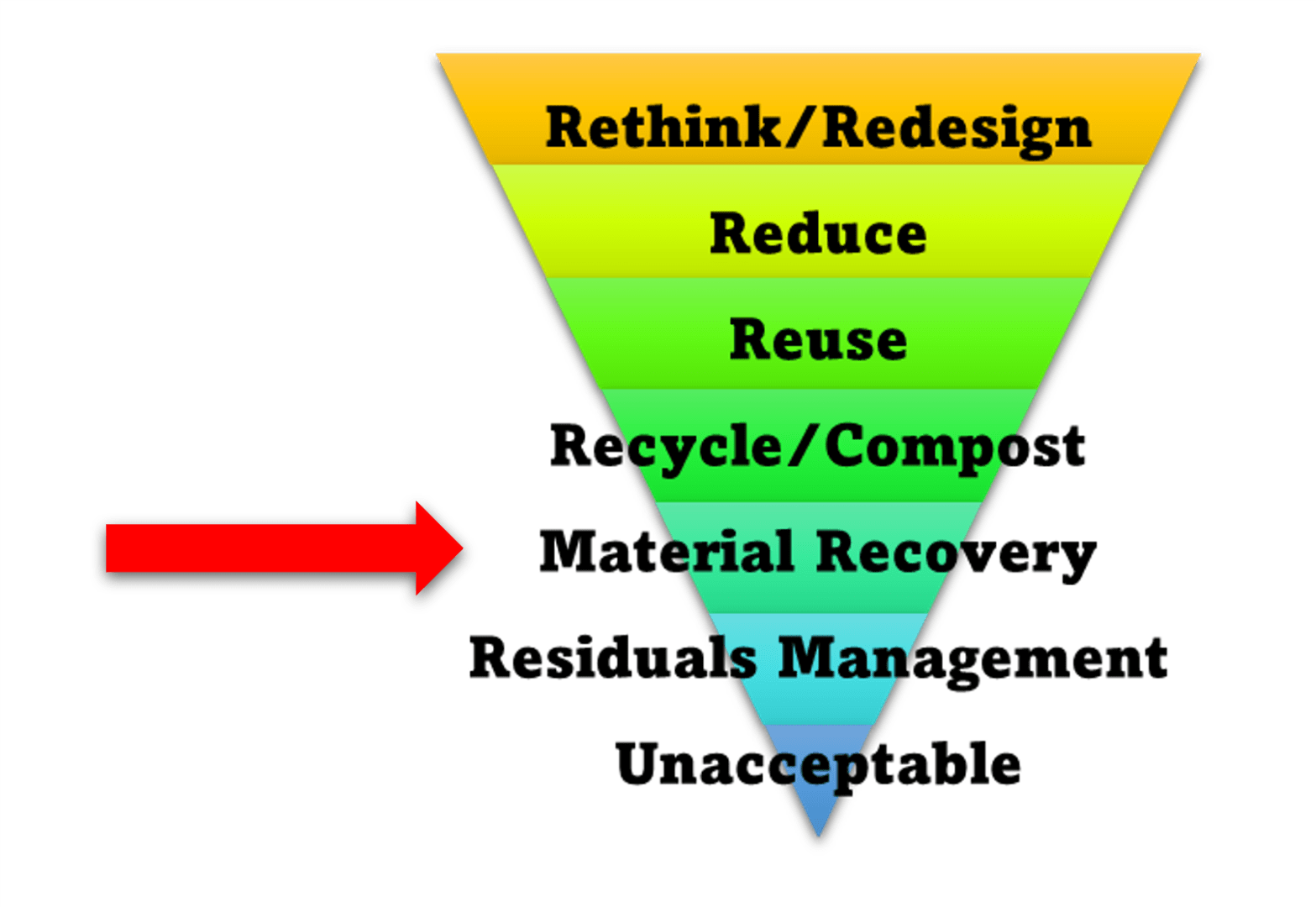
Keeping stuff out of landfills and incinerators is the focus of the Zero Waste Hierarchy, and this recent NY Times article presents the current state of progress on building deconstruction.
On the challenge side:
On the opportunity side:
Well, Portland, Oregon, passed an ordinance “requiring certain homes to be deconstructed, rather than demolished”. It applies to structures built in 1940 or earlier or those structures designated as historic.
Other places like Milwaukee; Palo Alto, CA; and San Jose, CA, Pittsburgh, San Antonio; Foster City, CA; and Orange County, NC are also pursuing deconstruction initiatives.”
Portland is no small town and if they can do it, perhaps Delaware County can do it, too. Or maybe just Upper Darby or Swarthmore or Wallingford or Lansdowne or Nether Providence — all of which just passed the Zero Waste Resolution.
Delco has a LOT of structures that would meet these criteria (if implemented), so the market is pretty solid for a long time.
On another front, “architects and academics are exploring ways to design buildings that can be easily disassembled and reused.” It’s all part of learning to build and sustain a circular economy where waste materials from one industry are used as raw material from another.
And then there’s Habitat for Humanity Restores (there used to be one in Folsom) that directly reuse non-structural elements like kitchen cabinets. If we adjust our expectations, and accept that a few scratches are part of life anyway, we can incorporate reused components to bring a decorative flare to any home at substantially less cost and much lower carbon impact.
Well, there are a number of things we can do locally and across our county to educate and encourage action and change.
All of them require that we get creative, think innovatively and collaboratively about the integrated nature of this challenge.
We can join (or start) our municipality’s environmental advisory committee or the local planning or historic commission to encourage consideration of related ordinances and initiatives.
We can write to the Delaware County Sustainability Commission to ask for a discussion of this topic. They can, in turn, make a recommendation for similar resolutions that drive this and other Zero Waste initiatives.
We can join and support local action groups who are fighting to reduce waste or our environmental impact. Here’s one. Here’s another. And another. And another.
And one of our county’s state senators, Senator Tim Kearney, is an architect with direct experience and knowledge of the impact and possibilities of these programs.
And at a national level, the Urban Sustainability Directors Network fosters innovation and networking on building deconstruction that guides local and regional governments these initiatives. Their site even list organizations and companies the support or perform deconstruction — companies like Second Chance that started as simple recyclers but have grown significantly through their deconstruction programs.
And finally, the Institute for Local Self-Reliance, through their Waste to Wealth program, promotes the local economic and workforce development benefits of deconstruction and repurposing programs.
Look around, and you’ll see that more environmental building construction is clearly possible.
And change is possible when we work together.
Do you see other opportunities to bring new policies to Delco and our municipalities that drive waste reduction? Join our Blog Force today.

 Zero Waste Delco